

A heat pump can heat your home during winter and cool it during summer using one electric system. Instead of creating heat by burning fuel, it transfers heat from one place to another. In summer, it removes heat from your home. In winter, it collects available heat from outside and moves it indoors.
Modern heat pumps can be suitable for many U.S. climates, including areas with freezing winter temperatures. However, homeowners need to select the correct system, efficiency level and installer to receive the expected comfort and energy savings.
This guide explains the main types of heat pumps, important efficiency ratings, sizing requirements, installation questions and available incentives.
What Is a Heat Pump?
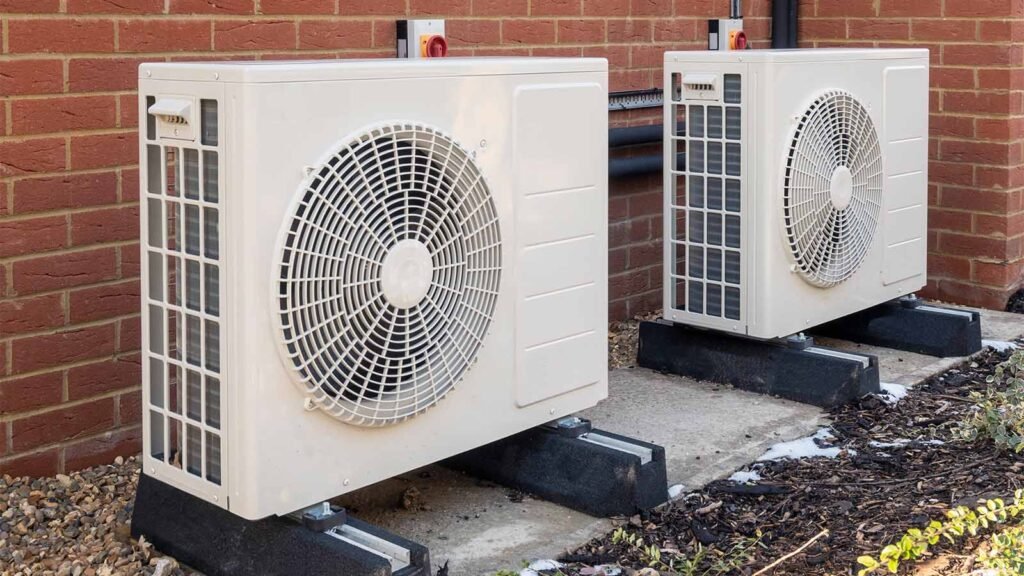
An air-source heat pump works similarly to a central air conditioner, but it can operate in reverse.
During warmer months, it moves heat from inside the home to the outdoors. During colder months, it extracts heat from outside air and transfers it into the home. Because the system moves heat instead of generating all of it directly, it can use less electricity than traditional electric resistance heating.
A heat pump may be worth considering when:
- Your furnace or central air conditioner is approaching replacement age.
- Your home uses electric baseboard or resistance heating.
- You currently heat with propane or fuel oil.
- You want one system for heating and cooling.
- You are adding heating and cooling to an extension, garage conversion or finished basement.
- You want to reduce direct combustion inside your home.
Actual savings depend on your climate, utility rates, insulation, current heating system, equipment efficiency and installation quality.
Main Types of Heat Pumps
1. Ducted air-source heat pumps
A ducted air-source heat pump connects to a central system that distributes conditioned air throughout the home.
This option may be suitable when your property already has usable forced-air ductwork. In many homes, a ducted heat pump can replace an existing central air conditioner and may also replace or work alongside a furnace.
Before using existing ducts, ask the contractor to inspect them for:
- Air leakage
- Poor insulation
- Restricted airflow
- Improper sizing
- Damaged or disconnected sections
Leaky or restrictive ducts can reduce comfort and efficiency even when the heat-pump equipment itself is highly efficient.
2. Ductless mini-split heat pumps
A ductless mini-split includes an outdoor unit connected to one or more indoor units mounted on a wall or ceiling.
Because mini-splits do not require conventional ductwork, they can work well in:
- Older homes without ducts
- Home additions
- Converted garages
- Finished basements
- Guesthouses
- Rooms that are consistently too warm or cold
- Homes where separate temperature zones are preferred
Each indoor unit can usually control a particular area or zone. However, homeowners should consider the appearance and positioning of indoor units before choosing this system.
3. Cold-climate heat pumps
Cold-climate models are designed to maintain stronger heating performance at low outdoor temperatures.
ENERGY STAR cold-climate certification includes verified low-temperature performance testing. ENERGY STAR states that qualifying systems are tested for performance at 5°F, although homeowners in extremely cold locations may still need supplemental or backup heating.
Homeowners in northern states should ask contractors for:
- Heating capacity at 5°F
- Heating capacity at the local winter design temperature
- The system’s balance point
- Expected use of auxiliary heat
- A backup-heating strategy
- Estimated winter electricity consumption
Do not select a system only by looking at its maximum heating capacity under mild conditions.
4. Dual-fuel heat-pump systems
A dual-fuel system combines an electric heat pump with a gas, propane or oil furnace.
The heat pump can provide heating during milder conditions, while the furnace operates when outdoor temperatures, utility rates or heating demand make it the more suitable option.
This may appeal to homeowners who have a relatively new furnace but need to replace an older central air conditioner. ENERGY STAR identifies dual fuel as an option that allows the home to use either the heat pump or traditional furnace based on conditions and operating costs.
5. Geothermal heat pumps
Geothermal systems transfer heat between the home and the ground rather than the outside air.
They can provide efficient heating and cooling, but installation is usually more complex because the property needs a suitable ground-loop system. Site conditions, available land, soil, drilling requirements and local permitting can affect whether geothermal is practical.
Geothermal is normally considered a major long-term home investment rather than a simple replacement for an existing air conditioner.
Understanding Heat-Pump Efficiency Ratings
Heat-pump specifications can seem confusing. Three of the most important ratings are SEER2, HSPF2 and EER2.
SEER2
SEER2 measures seasonal cooling efficiency. A higher SEER2 rating generally indicates more efficient cooling under the standardized test procedure.
Homeowners in hot climates may place greater importance on cooling efficiency because the system will operate in cooling mode for a larger part of the year.
HSPF2
HSPF2 measures seasonal heating efficiency. A higher HSPF2 generally indicates more efficient heating under the standardized test procedure.
Homeowners in colder climates should pay close attention to HSPF2, but they should also review the unit’s heating capacity at low temperatures.
EER2
EER2 measures cooling efficiency under a particular set of operating conditions. It can be useful in areas with long periods of high temperatures.
Under the current ENERGY STAR criteria, qualifying split-system heat pumps generally begin at 15.2 SEER2 and 7.8 HSPF2, with additional requirements applying to cold-climate models. Specifications may change, so check the current ENERGY STAR product listing before buying.
Correct Sizing Is More Important Than Buying the Largest Unit
A larger heat pump is not automatically better.
An oversized system may switch on and off too frequently. This can reduce comfort, shorten equipment life and make it more difficult to control indoor humidity. An undersized system may struggle to maintain the desired temperature during extreme weather.
Ask every contractor to complete a Manual J load calculation. This calculation estimates the actual heating and cooling requirements of the property using details such as:
- Home size
- Local climate
- Insulation levels
- Window type and orientation
- Air leakage
- Number of occupants
- Ceiling height
- Shading
- Construction materials
ENERGY STAR recommends that contractors use the home’s actual characteristics rather than relying only on square footage or a general rule of thumb.
Request a copy or summary of the load calculation with your quote.
Consider Improving the Home Before Installation
A heat pump may perform better when the home is properly insulated and air-sealed.
Before selecting the equipment size, consider checking:
- Attic insulation
- Exterior-wall insulation
- Crawl-space insulation
- Air leakage around doors and windows
- Duct leakage
- Attic access points
- Plumbing and wiring penetrations
- Fireplace dampers
Improving the building envelope may allow the homeowner to purchase a smaller system while improving comfort. ENERGY STAR also recommends optimizing insulation before installing a new air-source heat pump so that the homeowner does not pay to heat or cool unnecessary air leakage.
A professional home-energy assessment can help identify which improvements should be completed first.
Fixed-Speed vs. Variable-Speed Heat Pumps
A fixed-speed heat pump generally operates at one main output level. A variable-speed or inverter-driven system can adjust its output more gradually as the home’s heating or cooling demand changes.
Variable-speed systems may provide:
- More consistent indoor temperatures
- Quieter operation
- Longer operating cycles
- Better humidity control
- More efficient operation during moderate weather
- Less frequent starting and stopping
However, these systems can cost more initially and may involve more specialized parts. Ask the contractor about local service availability, warranty coverage and replacement-part availability.
Questions to Ask a Heat-Pump Contractor
Obtain written quotes from at least three experienced HVAC contractors whenever possible.
Ask each contractor:
- Will you perform a Manual J load calculation?
- What size system are you recommending, and why?
- Is the quoted system ENERGY STAR certified?
- Is it certified for cold climates if required?
- What is its heating capacity at 5°F?
- Will my existing ducts need sealing or modification?
- Does my electrical panel need an upgrade?
- Is backup or auxiliary heating included?
- How will the thermostat control auxiliary heat?
- What labor and equipment warranties are included?
- Who handles warranty service?
- Does the quote include permits and inspections?
- Does the quote include removal of the existing equipment?
- Are rebates or tax-credit documents included?
- What maintenance will the system require?
The final proposal should identify the outdoor unit, indoor unit, thermostat and other major components by exact model number.
Installation Quality Checklist
Even highly efficient equipment can perform poorly when it is installed incorrectly.
A quality installation should include:
- Correct equipment sizing
- Verified airflow
- Proper refrigerant charging
- Duct inspection and leakage testing
- Correct condensate drainage
- Suitable outdoor-unit clearance
- Protection from heavy snow or drainage problems
- Proper electrical connections
- Thermostat setup
- Testing in heating and cooling modes
- Homeowner operating instructions
ENERGY STAR warns that poor airflow, incorrect refrigerant charge and leaky ducts can increase energy use, reduce comfort and increase the risk of system problems.
Do not make a buying decision based only on the equipment brand. The installer’s design and workmanship can be equally important.
Heat-Pump Tax Credits and Rebates
Eligible ENERGY STAR air-source heat pumps may qualify for a federal tax credit of up to $2,000. ENERGY STAR currently states that this credit applies to qualifying products purchased and installed between January 1, 2023, and December 31, 2032. Eligibility rules and required efficiency levels should be checked before purchasing.
The IRS advises homeowners to retain:
- Purchase receipts
- Installation records
- Product-certification information
- ENERGY STAR documentation
- Contractor invoices
Eligible taxpayers generally claim the credit using IRS Form 5695 for the year in which the equipment was placed in service.
State, Tribal, local and utility programs may offer additional incentives. Some households may be eligible for heat-pump rebates of up to $8,000 through programs administered by their state, territory or Tribe, but availability, income requirements and program rules vary by location.
Always confirm eligibility before signing a contract. A product being described as “efficient” by a salesperson does not automatically mean it qualifies for a particular incentive.
Common Heat-Pump Buying Mistakes
Avoid these common mistakes:
- Choosing equipment based only on the lowest price
- Accepting sizing based only on home square footage
- Buying the largest available system
- Ignoring duct leakage
- Assuming every heat pump performs equally in cold weather
- Failing to check low-temperature heating capacity
- Overlooking electrical-panel requirements
- Assuming a rebate is guaranteed
- Comparing quotes that contain different scopes of work
- Selecting a contractor without checking warranty-service arrangements
- Publishing or relying on estimated savings without considering local utility rates
A detailed quote may initially look more expensive because it includes necessary electrical, duct, permit and installation work that a cheaper quote leaves out.
Is a Heat Pump Right for Your Home?
A heat pump may be a strong option when you need to replace both heating and cooling equipment, currently use expensive electric resistance heating, want room-by-room temperature control or are planning to reduce reliance on delivered fuels.
It may require additional planning when:
- The house has major insulation or air-leakage problems.
- Existing ducts are damaged or undersized.
- The electrical panel has limited capacity.
- Winter temperatures are extremely low.
- Electricity prices are high compared with local fuel prices.
- The outdoor unit cannot be placed in a suitable location.
- Qualified heat-pump contractors are limited in the area.
The best choice is not always the model with the highest efficiency rating. The right system is one that matches the home’s heating and cooling loads, local climate, electrical capacity, budget and long-term service needs.
Final Heat-Pump Buying Checklist
Before accepting a quote, confirm that you have:
- Compared multiple written proposals
- Received a Manual J load calculation
- Checked the exact equipment model numbers
- Verified ENERGY STAR certification
- Reviewed cold-climate performance where relevant
- Inspected existing ducts
- Confirmed electrical requirements
- Understood the backup-heating plan
- Checked local rebates and federal tax-credit eligibility
- Reviewed labor and equipment warranties
- Confirmed permit and inspection responsibilities
- Received an estimated installation schedule
- Understood ongoing maintenance requirements
A carefully selected and properly installed heat pump can provide year-round heating and cooling. Take time to compare the complete system design—not only the brand name, advertised efficiency or initial price.
This article provides general consumer information and does not constitute tax, financial, engineering or HVAC advice. Incentives and eligibility requirements can change. Confirm current rules with the IRS, the U.S. Department of Energy, ENERGY STAR, your state energy office and your utility provider before making a purchase.