

Severe storms, grid overload, and unexpected utility equipment failures can cut off electricity with little to no advance warning. When severe weather hits, having a proactive power outage preparedness strategy ensures your household stays safe, comfortable, and connected.
Whether facing a short seasonal blackout or an extended multi-day grid failure, this comprehensive guide outlines how to prepare your home, safeguard critical devices, and maintain emergency backup power.
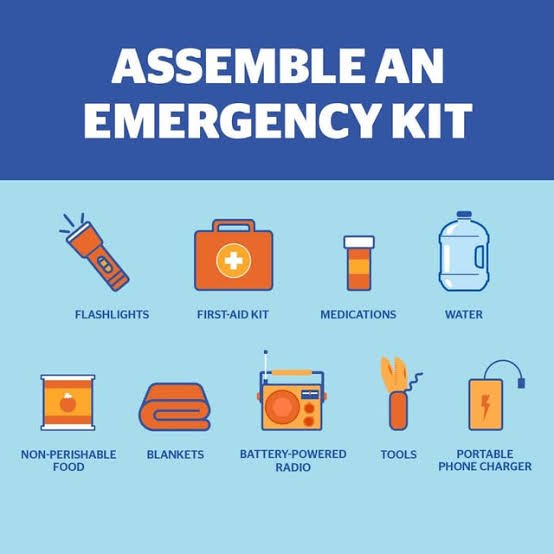
1. Essential Emergency Supplies: The First 72 Hours
During a sudden blackout, gathering supplies in the dark increases the risk of accidents. Assemble a dedicated, easily accessible emergency kit before severe weather arrives:
┌─────────────────────────────────────────────────────────────┐
│                 ESSENTIAL EMERGENCY SUPPLY KIT              │
└──────────────────────────────┬──────────────────────────────┘
                               │
       ┌───────────────────────┴───────────────────────┐
       ▼                                               ▼
┌───────────────────────────┐             ┌───────────────────────────┐
│     LIGHT & COMMUNICATION │             │     SUSTENANCE & HEALTH   │
├───────────────────────────┤             ├───────────────────────────┤
│ • LED Headlamps & Flash-  │             │ • 1 Gallon of water per   │
│   lights (Avoid candles)  │             │   person/pet per day      │
│ • Battery-powered or hand-│             │ • Non-perishable food     │
│   crank NOAA weather radio│             │ • First-aid kit & 7-day   │
│ • Charged power banks for │             │   prescription supply     │
│   mobile devices          │             │ • Manual can opener       │
└───────────────────────────┘             └───────────────────────────┘
- Lighting Solutions: Keep LED headlamps or battery-powered lanterns in central rooms. Avoid open-flame candles, which pose severe fire hazards during storms.
- Portable Power Banks: Keep high-capacity lithium battery banks charged to maintain smartphone battery life for weather alerts and emergency contacts.
- Water & Food Supply: Store a minimum 3-day supply of drinking water along with shelf-stable food that does not require electric cooking appliances.
2. Food Preservation Rules During a Blackout
Refrigerated and frozen food items are vulnerable during prolonged power interruptions. Following strict temperature guidelines prevents foodborne illness:
                     REFRIGERATION RETENTION TIMELINE

  REFRIGERATOR DOOR CLOSED  ───► Preserves safe temperature for up to 4 HOURS
  FULL FREEZER DOOR CLOSED  ───► Preserves safe temperature for up to 48 HOURS (24 hours if half-full)
- Keep Appliance Doors Closed: Limit opening refrigerator and freezer doors to retain cold air as long as possible.
- Appliance Thermometers: Place food safety thermometers inside your unit. If the refrigerator temperature rises above $40^\circ\text{F}$ ($4^\circ\text{C}$) for more than 2 hours, perishable foods (meats, dairy, eggs) should be discarded.
- Ice Coolers: For outages lasting longer than 4 hours, transfer essential perishables into insulated hard-sided coolers packed with ice bags or frozen gel packs.
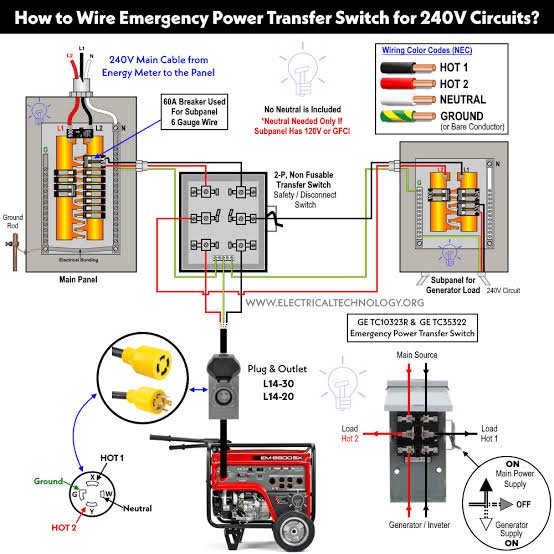
3. Emergency Backup Power Options
Depending on your household energy demands, several home backup power systems can keep critical loads—such as medical devices, well pumps, and refrigeration—running:
| Backup Power Solution | Best Used For | Key Advantage | Operational Considerations |
| Portable Power Station (Lithium) | Laptops, phones, lights, medical devices (CPAP) | Clean, indoor-safe, zero emissions, instant silent power | Limited capacity; requires solar panels or grid recovery to recharge |
| Dual-Fuel Portable Generator | Refrigerators, sumps, portable heating units | High power output; runs on gasoline or propane | Must operate outdoors at least 20 feet away from doors/windows |
| Whole-Home Standby Generator | Entire electrical panel (HVAC, well pumps, cooking) | Automatic transfer switch restores power within seconds | Requires professional installation and fuel source integration |
4. Electrical Safety & Preventing Damage
When utility power drops, voltage surges can occur at the moment electricity is restored to your neighborhood circuit:
Surge & Backfeeding Safety Rules: Unplug sensitive electronics (computers, televisions, microwaves) during an outage to prevent damage from initial voltage spikes when grid power returns. If using a portable gas generator, never plug it directly into a standard wall outlet (backfeeding). Backfeeding sends dangerous high-voltage current back down power lines, posing fatal electrocution risks to utility repair workers. Always use an installed transfer switch or heavy-duty outdoor extension cords.
Homeowner Power Outage Checklist
- [ ] Charge Battery Packs: Top off all portable phone power banks and rechargeable lanterns when severe weather threatens.
- [ ] Fill Water Storage: Store clean municipal or filtered water for drinking, cooking, and sanitation.
- [ ] Review Generator Placement: Verify your portable generator is positioned outdoors, far from home air intakes, and equipped with a working carbon monoxide (CO) detector inside.
- [ ] Install Surge Protectors: Ensure valuable electronics are plugged into high-joule point-of-use surge suppressors.
- [ ] Locate Manual Overrides: Know how to operate the manual disconnect on your automatic garage door opener.
Conclusion
A well-planned power outage preparedness strategy transforms a stressful emergency into a manageable situation. By maintaining an updated emergency supply kit, following proper food safety guidelines, and selecting a safe home backup power option, you can protect your property and keep your family safe during any power outage.