

With energy markets fluctuating and home electrification gaining momentum across the UK, more homeowners are turning to rooftop solar photovoltaic (PV) systems and battery storage. Beyond cutting carbon footprints, generating your own clean power offers protection against high utility unit rates.
However, investing in a residential solar-plus-battery setup is not a one-size-fits-all project. System sizing, roof orientation, battery chemistry, and grid export tariffs all dictate your return on investment. This comprehensive buyer’s guide breaks down the essential factors UK households must evaluate before installing a system.
1. System Components: How Solar and Batteries Work Together
A modern domestic installation combines several hardware components to capture, convert, and manage electricity:
┌────────────────────────────────────────────────────────┐
│                   SUNLIGHT (DAYTIME)                   │
└───────────────────────────┬────────────────────────────┘
                            │
                            ▼
┌────────────────────────────────────────────────────────┐
│               ROOFTOP SOLAR PV PANELS                  │
│       Generates Direct Current (DC) electricity         │
└───────────────────────────┬────────────────────────────┘
                            │
                            ▼
┌────────────────────────────────────────────────────────┐
│                 HYBRID INVERTER SYSTEM                 │
│      Converts DC to AC power for household circuits     │
└───────────────┬────────────────────────┬───────────────┘
                │                        │
                ▼                        ▼
┌──────────────────────────────┐  ┌──────────────────────────────┐
│     HOME POWER CONSUMPTION   │  │   BATTERY STORAGE SYSTEM     │
│ Powers lights, heat pumps,   │  │ Stores excess generation     │
│ appliances, and EV chargers  │  │ for evening use or export    │
└──────────────────────────────┘  └──────────────┬───────────────┘
                                                 │
                                                 ▼
                                  ┌──────────────────────────────┐
                                  │      NATIONAL POWER GRID     │
                                  │ Exports surplus via Smart    │
                                  │ Export Guarantee (SEG)       │
                                  └──────────────────────────────┘
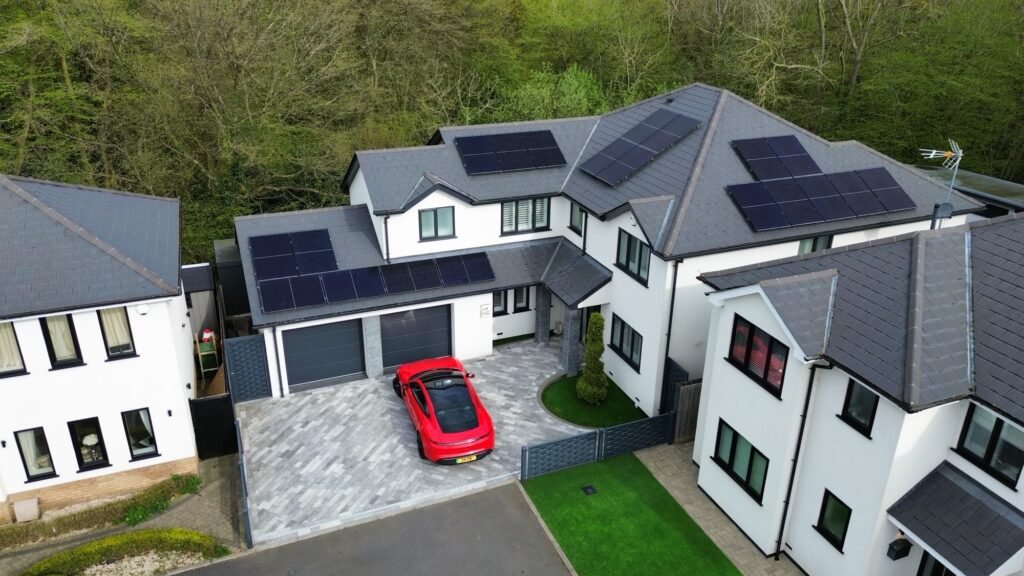
- Solar PV Panels: Mounted on roof tiles or slates to absorb sunlight and generate Direct Current (DC) power.
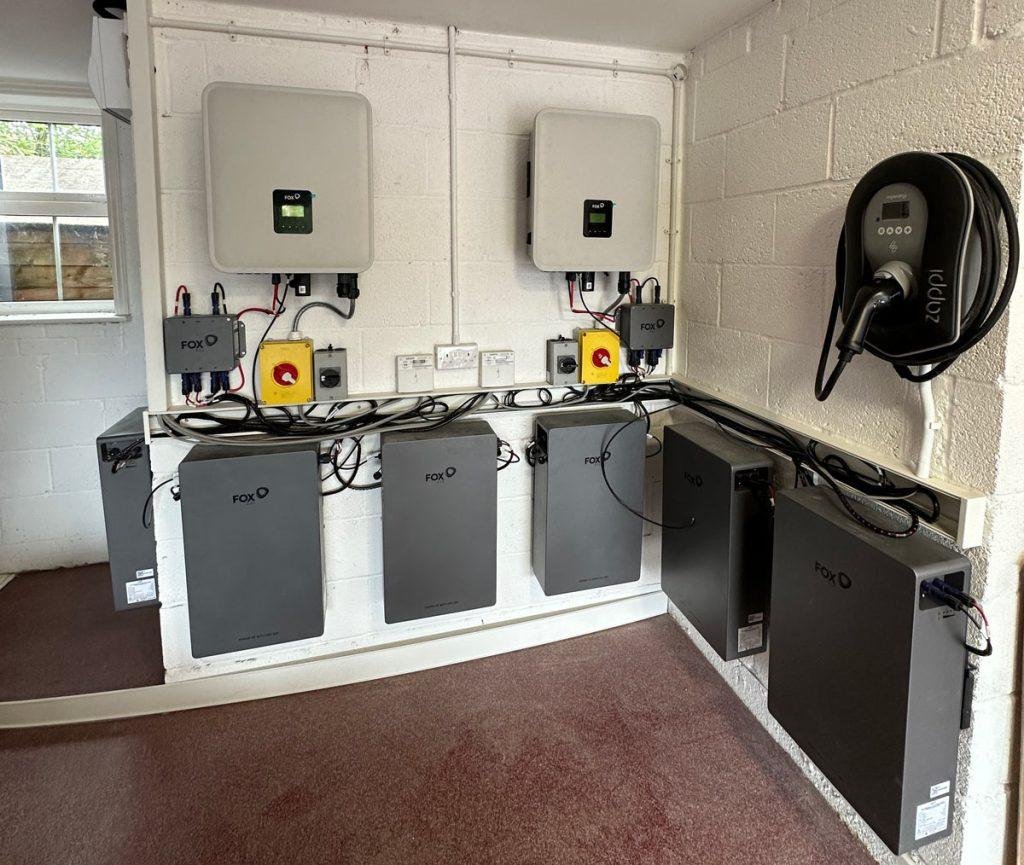
- Hybrid Inverter: The central brain of your system. It converts DC power from panels (and batteries) into Alternating Current (AC) used by standard household appliances.
- Battery Storage (LFP): Modern UK domestic installs primarily use Lithium Iron Phosphate ($\text{LiFePO}_4$) batteries. They offer superior thermal safety, deep discharge capabilities, and long cycle lifespans (typically 6,000+ charge/discharge cycles).
- Generation & Smart Meters: Track real-time production, home consumption, and net grid exports.
2. Key Technical Factors to Evaluate
Before requesting installer quotes, assess your property’s physical characteristics to understand your generation potential:
Roof Orientation, Pitch, and Shading
- South-Facing Roofs: Ideal for maximum total annual output (typically generating around 900–950 kWh per kWp installed in the UK).
- East-West Split: Highly effective for home balancing. East-facing arrays generate early power for morning routines, while West-facing panels capture late afternoon and evening generation when household energy demand peaks.
- Roof Pitch: The ideal pitch angle across the UK sits between 30° and 40°.
- Shading Hazards: Obstructions like chimneys, surrounding trees, or neighboring dormers reduce string output. In shaded conditions, using microinverters or DC power optimisers allows unshaded panels to continue operating at full efficiency.
Sizing Your Array vs. Daily Consumption
A typical UK home uses between 2,700 kWh and 4,200 kWh of electricity per year (higher if running an Electric Vehicle or Air Source Heat Pump).
| Property Type | Typical Array Size | Expected Annual Output (UK Avg) | Recommended Battery Size |
| 1–2 Bedroom Flat / Terraced | 2.5 kWp – 3.5 kWp | 2,200 – 3,100 kWh | 3.5 kWh – 5.0 kWh |
| 3–4 Bedroom Semi / Detached | 4.0 kWp – 6.0 kWp | 3,600 – 5,400 kWh | 5.0 kWh – 10.0 kWh |
| Large Home + EV / Heat Pump | 7.0 kWp – 10.0+ kWp | 6,300 – 9,000+ kWh | 10.0 kWh – 15.0+ kWh |
3. The Role of Smart Tariffs & Grid Export
Adding a battery completely changes how your system interacts with the UK energy grid. Instead of simply generating power during daylight, smart batteries unlock dynamic energy management:
                     DYNAMICS OF A SMART BATTERY SETUP

  DAYTIME (Midday Sunlight)   ───► Solar powers home + fills battery storage
  PEAK EVENING (4pm – 7pm)    ───► Battery powers home, avoiding expensive peak rates
  OVERNIGHT (Off-Peak Window) ───► Battery recharges cheaply from grid (Winter mode)
- Smart Export Guarantee (SEG): UK energy suppliers pay you for excess electricity exported back to the grid. Export rates vary significantly between suppliers, making it essential to shop around for competitive export tariffs.
- Time-of-Use (TOU) Import Tariffs: During winter months when solar generation drops, smart tariffs allow you to charge your battery overnight using cheap off-peak grid electricity. You then discharge that cheap stored power during expensive peak daytime hours, maintaining low energy bills year-round.
4. Financial Incentives & UK Regulatory Considerations
When planning your budget and installer quotes, keep these UK-specific regulatory details in mind:
0% VAT Incentive (Valid until 31 March 2027): The UK government maintains a 0% VAT rate on domestic solar panel and battery storage installations. This relief applies to hardware, accessories, and professional installation labor when supplied under a single contract—saving roughly 20% compared to standard commercial rates. Standalone battery retrofits to existing solar systems also qualify for 0% VAT.
- MCS Certification (Microgeneration Certification Scheme): Ensure your installer is MCS certified. MCS compliance is mandatory to qualify for Smart Export Guarantee (SEG) payments from energy suppliers and ensures hardware meets safety standards.
- Grid Connection Permissions (G98 vs. G99):
- G98 Notification: Standard installations up to 3.68 kW per phase (16A) simply require your installer to notify the local Distribution Network Operator (DNO) within 28 days of commissioning.
- G99 Application: Larger systems (exceeding 3.68 kW inverter capacity) require formal advance approval from your DNO before installation can begin.
Final Homeowner Checklist
Before signing an installation contract, run through these essential checks:
- [ ] MCS Accredited Installer: Verified the company holds valid MCS and Consumer Code (RECC or HIES) registrations.
- [ ] C-Wire & Board Check: Verified your main consumer unit (fuse box) has adequate capacity and surge protection.
- [ ] DNO Approval Status: Confirmed whether your inverter size requires a G98 notification or prior G99 approval.
- [ ] 0% VAT Pricing: Ensured your quote correctly applies 0% VAT across hardware and labor.
- [ ] Smart Metering: Installed or scheduled a SMETS2 smart meter installation to enable SEG export tracking.
Conclusion
Combining solar panels with battery storage allows UK households to take direct control of their energy consumption, reduce reliance on the national grid, and cut carbon emissions. By selecting MCS-certified hardware, sizing your battery to match your family’s daily routine, and pairing your setup with dynamic smart tariffs, you can maximize your self-consumption and build a resilient home energy system for years to come.