

When life-threatening severe weather strikes, every second counts. For homeowners living in tornado-prone regions, investing in structural protection is one of the most vital safety decisions you can make. However, as you research options, you will quickly encounter two terms often used interchangeably: Tornado Safe Rooms and Storm Shelters.
While both provide high-level life safety, key differences exist in engineering criteria, accessibility, structural placement, and overall purpose. This guide breaks down how to choose the right setup for your property and family.
The Core Difference: Engineering Standards & Placement
The primary distinction between a standard storm shelter and a certified safe room lies in testing protocols, design criteria, and physical location.
┌─────────────────────────────────────────────────────────────┐
│                 ENGINEERING & PLACEMENT CRITERIA             │
└──────────────────────────────┬──────────────────────────────┘
                               │
       ┌───────────────────────┴───────────────────────┐
       ▼                                               ▼
┌───────────────────────────┐             ┌───────────────────────────┐
│     TORNADO SAFE ROOM     │             │       STORM SHELTER       │
├───────────────────────────┤             ├───────────────────────────┤
│ • Built to FEMA P-320 /   │             │ • Standard reinforced     │
│   ICC 500 standards       │             │   structure               │
│ • Tested for 250 mph winds│             │ • In-ground or outdoor    │
│   (EF-5 level)            │             │   garage placement        │
│ • Located inside home or  │             │ • Uses earth mass for     │
│   attached garage         │             │   impact protection       │
└───────────────────────────┘             └───────────────────────────┘
1. What is a Certified Safe Room?
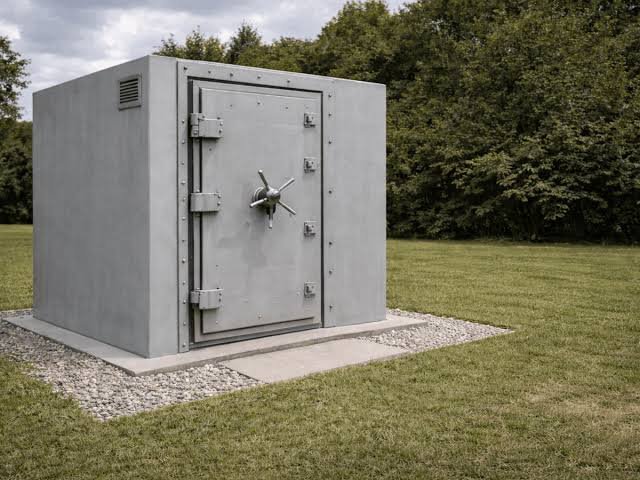
A Tornado Safe Room is a hardened, above-ground or in-home structure specifically engineered to meet strict federal guidelines—notably FEMA P-320 / P-361 and the ICC 500 building code standard.
To earn this distinction, every component (including the walls, roof, door assembly, and anchor bolts) must pass rigorous laboratory testing:
- Wind Resistance: Engineered to withstand 250 mph winds, equivalent to an EF-5 tornado.
- Debris Impact Testing: Must stop a 15-pound 2×4 lumber missile fired at 100 mph without wall or door penetration.
- Near-Absolute Protection: Designed so that occupants suffer near-zero risk of injury even if the surrounding home is completely destroyed.
2. What is a Traditional Storm Shelter?
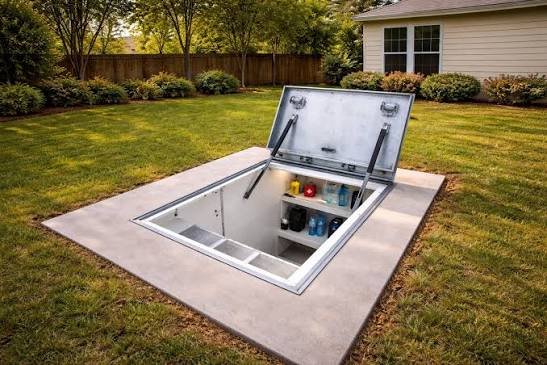
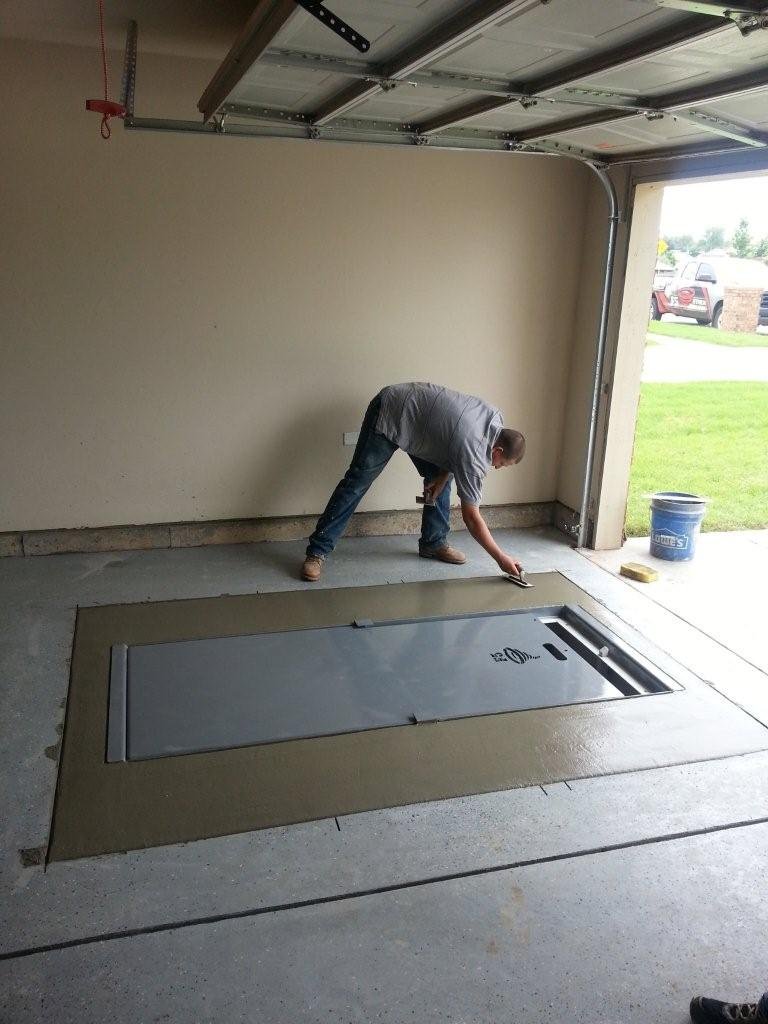
A Storm Shelter refers to any reinforced physical structure designed to shield occupants from severe weather. While many high-end prefab units meet ICC 500 codes, the term broader covers traditional underground slope cellars, exterior concrete pits, and garage floor drop-in units. Rather than relying solely on engineered steel or thick concrete walls above ground, in-ground storm shelters use the surrounding soil as a natural barrier against flying debris and wind lift forces.
2. Safe Rooms vs. Storm Shelters: Key Comparison
Choosing between an above-ground interior safe room and an in-ground storm shelter depends heavily on your household’s physical needs and foundation type.
| Feature | Interior Above-Ground Safe Room | Underground / In-Ground Storm Shelter |
|---|---|---|
| Primary Placement | Closet, master bedroom, or garage slab | Yard, patio, or flush-mounted in garage floor |
| Accessibility | Immediate: Walk-in entry with zero stairs or ladders | Requires navigating stairs, drop ladders, or sliding doors |
| Debris Protection | Heavy steel/concrete walls engineered against direct impacts | Soil barrier absorbs flying debris impacts naturally |
| Flood & Gas Risk | Safer in low-lying zones; zero groundwater flooding risk | Vulnerable to water accumulation or heavy gas settling if unventilated |
| Mobility Friendly | Highly accessible for elderly, children, and wheelchair users | Difficult for individuals with limited physical mobility |
3. How to Choose the Right Protection for Your Home
Choose an Above-Ground Safe Room If:
- Mobility is a Priority: You have family members, pets, or young children who cannot quickly negotiate steep cellar stairs or ladder steps.
- High Water Table Zone: You live in a coastal plain, flood zone, or region with a high water table where underground excavation is impractical due to buoyancy or moisture seepage.
- Ease of Access Matters: You want to step directly into your shelter from an interior closet or garage without running outdoors into heavy hail, darkness, or high winds.
The “FEMA-Approved” Marketing Trap: Federal agencies do not endorse, certify, or approve specific commercial shelter manufacturers. Beware of sales claims stating a shelter is “FEMA-Approved.” Instead, ask manufacturers for third-party engineering documentation proving their design complies with ICC 500 testing standards and FEMA P-320 design specifications# Tornado Safe Room vs. Storm Shelter: What Homeowners Should Know
When severe weather threatens, having a designated place to seek refuge isn’t just a comfort—it can be life-saving. For homeowners living in regions prone to severe weather, deciding how to protect their family often comes down to two primary options: tornado safe rooms and storm shelters.
While these terms are frequently used interchangeably, they refer to distinct structures with unique engineering standards, design features, and installation requirements. Understanding the differences will help you make an informed decision for your home, safety needs, and property layout.
What Is a Tornado Safe Room?
A tornado safe room is a hardened, above-ground or below-ground structure specifically engineered to provide near-absolute protection during extreme wind events, including EF5 tornadoes.
Key Characteristics:
- Engineering Standards: True safe rooms are designed and tested to meet strict guidelines set by the Federal Emergency Management Agency (FEMA P-320 / FEMA P-361) and the ICC 500 standards (developed by the International Code Council and National Storm Shelter Association).
- Debris Impact Resistance: Safe rooms must pass rigorous impact tests, such as surviving a 15-pound 2×4 wooden plank fired at 100 mph (simulating flying tornado debris).
- Location Flexibility: Safe rooms can be constructed inside an existing home (such as a walk-in closet, pantry, or garage corner) or built as an addition during new home construction.
- Accessibility: Because they can be placed on the main floor, safe rooms offer immediate, step-free access, making them ideal for individuals with mobility challenges, elderly family members, or young children.
What Is a Storm Shelter?
A storm shelter is a broad term used to describe structures designed to shield occupants from severe storms, high winds, and tornadoes. They are traditionally built underground, though above-ground shelters also exist.
Key Characteristics:
- Traditional Design: Most traditional storm shelters are in-ground units made of reinforced concrete, steel, or fiberglass, installed in the yard, under a garage floor, or integrated into a hillside/earth berm.
- Earth Protection: Underground storm shelters rely on surrounding soil to absorb impact from wind and flying debris, offering natural structural support against extreme storms.
- Varied Certification: While many modern storm shelters meet FEMA or ICC 500 standards, the term “storm shelter” is broader. Some non-certified shelters offer basic protection but may not have undergone formal impact testing.
- Entry Method: In-ground units typically require descending stairs or a ladder through a heavy door or hatch, which requires clear access during an approaching storm.
Comparing the Two: Key Considerations for Homeowners
When evaluating which safety solution fits your residential property, consider how the following factors align with your household’s specific situation:
1. Accessibility and Entry
- Safe Rooms: Being above-ground and integrated into the home’s primary living space, safe rooms allow occupants to enter within seconds. There are no steps to navigate, which can be critical during quick-warning tornado sirens.
- Storm Shelters: In-ground shelters require walking outside or into a garage and going down steps. In adverse weather (heavy rain, dark conditions, or hail), navigating steps quickly can pose safety risks for some individuals.
2. Space, Layout, and Property Restrictions
- Safe Rooms: Require dedicated interior floor space or garage footprint. They can be retrofitted into existing homes or planned into new builds.
- Storm Shelters: In-ground units preserve interior living space but require outdoor excavation. Homeowners must account for local water table depth, soil conditions, underground utility lines, and potential yard drainage patterns. High water tables, for instance, can make underground installation challenging due to hydrostatic pressure.
3. Comfort and Environment
- Safe Rooms: Located inside the thermal envelope of the home, safe rooms maintain ambient household temperatures and humidity levels, making them less prone to moisture buildup, pests, or dark environments.
- Storm Shelters: Underground units can accumulate moisture, dampness, or insects over time if not properly ventilated, sealed, and maintained on a seasonal basis.
Safety Standards to Look For
Regardless of whether you choose an above-ground safe room or an underground storm shelter, ensuring the structure is built to rigorous industry guidelines is essential:
- FEMA Compliance: Look for designs referencing FEMA P-320 (Taking Shelter from the Storm: Building a Safe Room for Your Home or Small Business) or FEMA P-361.
- ICC 500 Standards: This structural standard dictates design criteria for wind loads, missile impact resistance, ventilation, and structural integrity.
- NSSA Verification: The National Storm Shelter Association (NSSA) verifies that shelter designs match testing reports conducted by accredited third-party laboratories.
Maintenance and Readiness Checklist
A protective shelter is only effective if it remains accessible and functional year-round. Consider these general readiness practices:
- Keep Access Clear: Ensure door paths, hatches, and sliding doors remain unblocked by household items, debris, or lawn equipment.
- Inspect Seals and Hardware: Periodically check door latches, deadbolts, hinges, and weather stripping to confirm smooth operation.
- Maintain Ventilation: Ensure air vents remain clear of obstruction, debris, or pest nests.
- Store Emergency Supplies: Equip your space with essential emergency items, such as flashlights, a NOAA weather radio, first-aid supplies, extra water, and essential medications.
Conclusion
Both tornado safe rooms and storm shelters offer life-saving protection against extreme windstorms. If quick accessibility and interior convenience are top priorities—or if your region has a high water table—an above-ground tornado safe room is often the preferred choice. If preserving interior home square footage is critical and all household members can comfortably navigate stairs, an in-ground storm shelter serves as a reliable alternative.
To determine the best fit for your home, consult with certified shelter manufacturers or local structural engineers who are familiar with building codes, soil conditions, and emergency requirements in your area.