

Heavy rainfall and seasonal monsoons often bring severe challenges to municipal water systems and home water supplies. Torrential downpours trigger urban flooding, soil runoff, and underground pipeline leaks, creating a high risk of cross-contamination between sewage lines and municipal tap water.
Consuming contaminated water during heavy rain can lead to waterborne illnesses like cholera, typhoid, dysentery, and gastroenteritis. Ensuring your family’s drinking water remains purified and safely stored is one of the most critical health measures you can take during the rainy season.
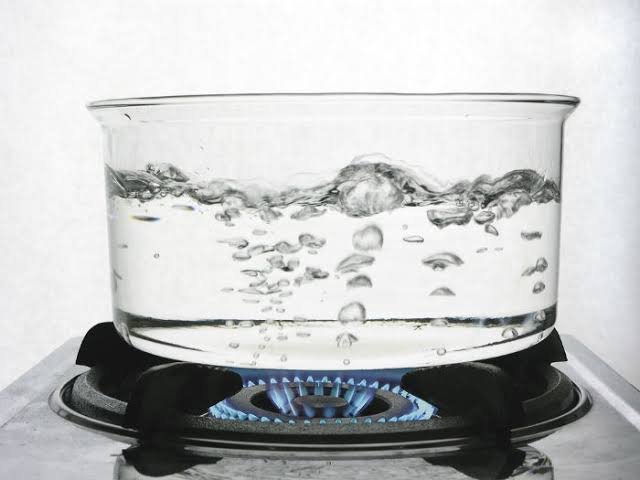
Why Rainstorms Compromise Tap Water Quality
Even if your tap water looks clear during dry months, heavy downpours introduce several contamination hazards:
- Pipeline Ingress: Aging municipal pipes often have hairline cracks. When heavy rain causes groundwater levels to rise, contaminated floodwater is sucked into pipes through pressure drops.
- Overwhelmed Water Treatment Plants: Excess silt, turbidity (cloudiness), and organic debris overload municipal water treatment filters, reducing the effectiveness of standard chlorine treatment.
- Borewell Runoff: Surface floodwater carrying agricultural fertilizers, pesticides, and animal waste can seep directly into shallow groundwater wells and borewells.
Effective Home Water Purification Methods
Depending on the tools and utilities available during a storm or power outage, use these proven methods to treat your drinking water:
| Purification Method | What It Eliminates | Best Used When |
| Boiling | Kills bacteria, viruses, parasites, and protozoa. | Most reliable emergency method. Works without electricity or commercial filters. |
| RO + UV Purifier | Removes dissolved solids (TDS), heavy metals, and neutralizes microbes. | Standard home defense during normal power availability. |
| Chlorine Tablets / Drops | Kills most waterborne bacteria and viruses. | Emergency flood conditions when boiling fuel or power is unavailable. |
| Gravity Water Filters | Removes physical suspended solids, sediment, and micro-plastics. | Pre-filtering cloudy tap water before boiling or UV purification. |
Step-by-Step Guide to Safe Water Treatment
1.Pre-Filter Turbid Water:Remove silt and suspended dirt particles.
If tap water appears cloudy or muddy, pour it through a clean cotton cloth, coffee filter, or sediment filter. Removing turbidity allows secondary chemical or thermal purification to work effectively.
2.Thermal Sterilization:Bring water to a full rolling boil.
Heat the pre-filtered water on a stove until it reaches a continuous rolling boil. Keep it boiling rapidly for at least 1 to 3 minutes (longer at higher altitudes) to ensure all microbial pathogens are destroyed.
3.Safe Cooling:Cool naturally without adding unboiled ice.
Cover the pot with a clean lid and allow the water to cool naturally. Do not add ice cubes made from raw tap water, as this recontaminates the batch immediately.
4.Hygienic Storage:Use clean, covered stainless steel or glass vessels.
Transfer the purified water into clean, narrow-necked containers with tight-fitting lids. Avoid dipping hands or unwashed cups directly into stored water containers—use a clean ladle or a container with a tap.
Maintaining Home Water Purifiers During Rain
If your household relies on electric RO (Reverse Osmosis) or UV purifiers, extra maintenance is needed during heavy rainfall due to higher sediment loads in supply lines:
Purifier Maintenance Tip: High turbidity (muddy water) clogs the pre-filter candle very quickly. Check and rinse your external pre-filter housing bi-weekly during peak rain. If your power cuts out, remember that storage tanks in purifiers can become stagnant after 48 hours—boil stored water if power has been out for multiple days.
Homeowner Rainy Season Safety Checklist
- [ ] Boil Default: Default to boiling drinking and cooking water during active heavy rain alerts.
- [ ] Clean Water Storage: Wash and sanitize all water storage drums, bottles, and dispensers with hot water.
- [ ] Keep Lid Closed: Ensure all overhead roof tanks and underground sumps have tightly sealed covers to prevent rainwater runoff entry.
- [ ] Avoid Street Ice: Refrain from buying street-vended iced beverages or raw foods washed in untreated tap water during monsoon weeks.
- [ ] Stock Chlorine Tablets: Keep water purification tablets (Halazone or Sodium Dichloroisocyanurate) in your emergency kit for flood or power blackout scenarios.
Conclusion
Keeping drinking water safe during heavy rain requires a mix of pre-filtering, thorough boiling or purification, and strict storage hygiene. By protecting your water supply from surface runoff and verifying purity before consumption, you can keep your home safe from waterborne infections throughout the rainy season.