

Upgrading to a programmable smart thermostat is one of the most effective ways to lower household energy consumption, automate home comfort, and streamline HVAC system control. Modern smart devices go far beyond basic temperature scheduling—they leverage geofencing, occupancy detection, remote Wi-Fi app management, and HVAC energy management algorithms to optimize your heating and cooling costs year-round.
However, buying a smart thermostat based solely on aesthetic appeal or voice assistant branding can lead to installation headaches, system damage, or unexpected compatibility issues. Before purchasing a new unit, run through these essential technical questions to ensure a seamless upgrade.
1. What Voltage Does My Existing HVAC System Use?
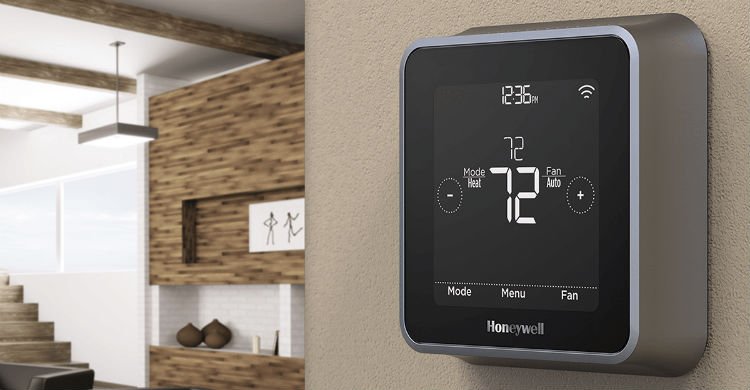
The majority of central heating and cooling systems in North America use low-voltage (24V AC) wiring. Standard smart thermostats (like those from Nest, ecobee, or Honeywell) are engineered strictly for 24V setups.
                     ┌────────────────────────────────┐
                     │ What type of heating/cooling   │
                     │ system does your home use?     │
                     └───────────────┬────────────────┘
                                     │
         ┌───────────────────────────┴───────────────────────────┐
         ▼                                                       ▼
┌─────────────────────────────────┐             ┌─────────────────────────────────┐
│ Low-Voltage Systems (24V AC)    │             │ High-Voltage / Line-Voltage     │
├─────────────────────────────────┤             ├─────────────────────────────────┤
│ • Central Forced-Air Furnaces   │             │ • Electric Baseboard Heaters    │
│ • Central Air Conditioning      │             │ • Wall Convectors / Fan Heaters │
│ • Heat Pumps / Dual-Fuel        │             │ • Radiant Electric Floor Heat   │
├─────────────────────────────────┤             ├─────────────────────────────────┤
│ Standard Smart Thermostats      │             │ Specialty Line-Voltage Smart    │
│ (24V compatible out of the box) │             │ Thermostats Required            │
└─────────────────────────────────┘             └─────────────────────────────────┘
⚠️ Critical Warning: Connecting a standard 24V smart thermostat to a high-voltage (120V/240V) electric baseboard system will immediately ruin the thermostat’s internal circuits and poses a major fire hazard. Always check wire thickness and safety labels before removing your old unit.
2. Does My Wall Have a “C-Wire” (Common Wire)?
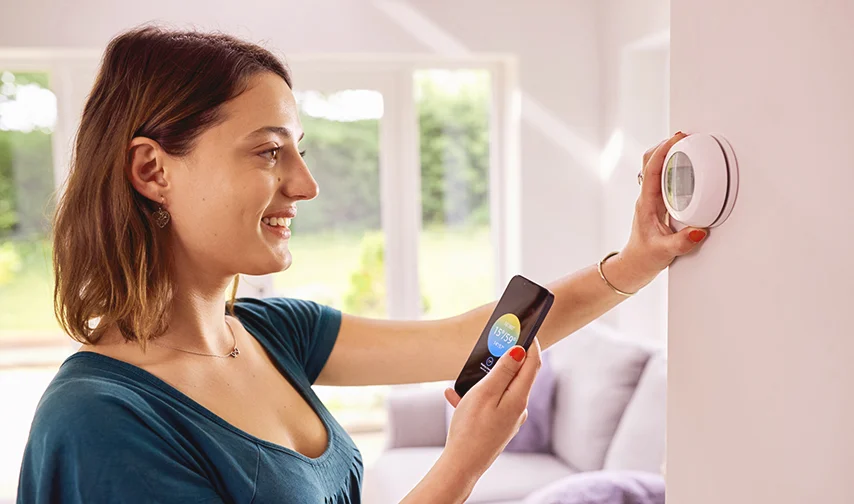
Traditional manual thermostats operate like simple light switches—they don’t require continuous external power. In contrast, a modern Wi-Fi smart thermostat features backlit touchscreens, internal radios, and ongoing background processing, requiring a steady 24-volt circuit. This circuit is completed by the C-Wire (Common Wire).
          TRADITIONAL 4-WIRE SETUP              SMART 24V CONTINUOUS POWER CIRCUIT

      [ R Wire ] ──── (24V Power) ───┐            [ R Wire ] ──── (24V Power In) ───┐
                                     │                                              │
      [ W / Y  ] ──── (Call Heat/Cool)           [ C Wire ] ◄─── (Continuous Return)│
                                                                                    ▼
                                                                        [ Smart Thermostat ]
- If you have a C-Wire: You can install virtually any 24V smart thermostat directly.
- If you DO NOT have a C-Wire: You have three main options:
- Choose a model that includes a Power Extender Kit (PEK) or C-Wire adapter in the box.
- Select a battery-powered or “power-stealing” model designed to harvest electricity from heating/cooling circuits (though power-stealing can occasionally trigger HVAC short-cycling).
- Hire an electrician or HVAC contractor to run a new 18/5 thermostat wire from your furnace control board to the wall.
3. How Many Heating and Cooling “Stages” Does My Property Use?
Smart thermostats vary in their ability to manage complex multi-stage or variable-speed HVAC equipment.
| HVAC System Type | Wire Terminal Codes | Recommended Thermostat Capability |
| Single-Stage Heating & Cooling | R, C, W or W1, Y or Y1, G | Basic Entry-Level Smart Thermostats |
| Multi-Stage Systems | Includes W2, Y2 (Second-stage heat/cool) | Mid-to-High Tier Multi-Stage Smart Thermostats |
| Heat Pump with Auxiliary Heat | O/B, E, AUX | Specialized Heat-Pump Compatible Smart Thermostats |
| Communicating / Inverter Systems | Proprietary terminal labels (1, 2, 3, 4 or A, B, C, D) | Manufacturer-Specific Proprietary Smart Controls |
4. Does the Device Support Remote Room Sensors?
A single wall thermostat only measures ambient temperature in the exact spot where it is mounted—often a dark hallway or living room entry. If your home experiences hot and cold spots across different bedrooms, look for a system supporting wireless remote temperature sensors.
                           ┌───────────────────────────┐
                           │   MAIN SMART THERMOSTAT   │
                           │   (Hallway / Living Room) │
                           └─────────────┬─────────────┘
                                         │
                 ┌───────────────────────┴───────────────────────┐
                 ▼                                               ▼
    ┌──────────────────────────┐                   ┌──────────────────────────┐
    │ Remote Sensor 1          │                   │ Remote Sensor 2          │
    │ (Master Bedroom)         │                   │ (Home Office)            │
    ├──────────────────────────┤                   ├──────────────────────────┤
    │ Prioritizes temperature  │                   │ Detects occupancy during │
    │ balance at night.        │                   │ daytime work hours.      │
    └──────────────────────────┘                   └──────────────────────────┘
- Occupancy Detection: Advanced sensors detect whether a room is currently occupied and shift heating or cooling priority to active living areas.
- Averaging Modes: Automatically averages temperatures across multiple rooms to ensure balanced airflow throughout the home.
5. Which Smart Home Ecosystem Does It Integrate With?
To build automated scenes (e.g., automatically lowering temperatures when your smart deadbolt locks as you leave), verify native protocol compatibility:
- Voice Assistant Protocols: Ensure explicit support for Apple Home, Amazon Alexa, or Google Home depending on your mobile device ecosystem.
- Matter & Thread Compatibility: Choosing a Matter-certified smart thermostat ensures long-term interoperability across multiple smart home platforms without needing brand-specific hub bridges.
- Utility Demand-Response Programs: Check if your local power utility offers financial rebates or incentives for enrolling your thermostat in peak-demand energy saving programs.
Pre-Purchase Checklist Summary
Before clicking buy or heading to the home improvement store, verify these technical specifications:
- [ ] Voltage Check: Confirmed 24V low-voltage system (not 120V/240V line voltage).
- [ ] C-Wire Verification: Checked terminal block behind old thermostat faceplate for
Cconnection or verified inclusion of a power adapter kit. - [ ] Terminal Labels: Took a clear photo of old wiring labels (
R,W,Y,G,O/B) to verify stage counts. - [ ] Ecosystem Fit: Verified platform compatibility with Apple Home, Alexa, or Google Assistant setups.
- [ ] Sensor Needs: Determined whether optional wireless room sensors are required for multi-story balance.
Conclusion
Upgrading to a smart thermostat is one of the quickest ways to improve indoor comfort and reduce monthly power consumption, provided you match the technology to your home’s underlying HVAC infrastructure. By identifying your wiring type, verifying C-wire access, and selecting a model that integrates natively with your home automation tools, you ensure a simple installation and reliable performance for years to come.