

Choosing a new cooktop can quickly become confusing with so many surface styles, energy ratings, and heating mechanisms available. While both induction and traditional glass-top radiant electric cooktops plug into your electrical grid, they heat food using entirely different technologies.
Understanding these core mechanics—from heat transfer speed and pan compatibility to daily maintenance—helps you choose the right appliance for your cooking style and household needs.
The Core Difference: How They Generate Heat
The fundamental distinction between induction and standard electric cooktops lies in where the heat is created.
┌─────────────────────────────────────────────────────────────┐
│                    HEATING MECHANISM COMPARISON             │
└──────────────────────────────┬──────────────────────────────┘
                               │
       ┌───────────────────────┴───────────────────────┐
       ▼                                               ▼
┌───────────────────────────┐             ┌───────────────────────────┐
│ RADIANT ELECTRIC COOKTOP  │             │   INDUCTION COOKTOP       │
├───────────────────────────┤             ├───────────────────────────┤
│ 1. Electricity heats coil │             │ 1. Current enters coil    │
│ 2. Coil heats glass top   │             │ 2. Creates magnetic field │
│ 3. Glass heats pan base   │             │ 3. Pan creates own heat   │
│ 4. Food cooks indirectly  │             │ 4. Glass stays cool       │
└───────────────────────────┘             └───────────────────────────┘
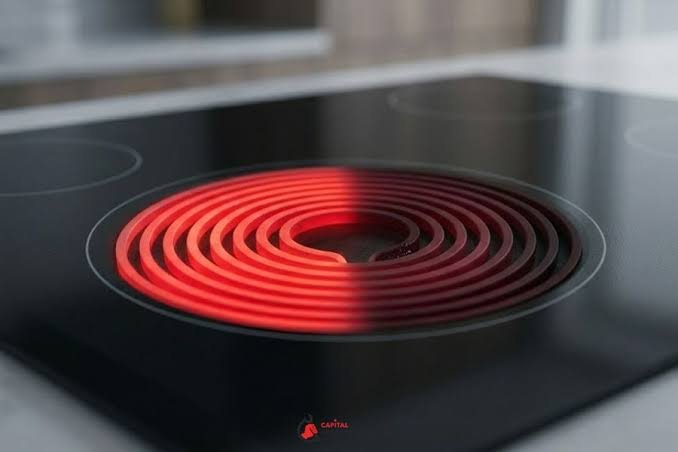
- Electric Cooktops (Radiant Smooth-Top): Electric coils or metal ribbons beneath a ceramic glass surface glow red when energized. This element heats the glass, which then transfers radiant thermal energy into the bottom of your pot.
- Induction Cooktops: High-frequency copper coils beneath the glass generate an alternating magnetic field. When magnetic cookware is placed on top, the field induces electric currents within the metal base of the pan itself, causing the pan—not the cooktop glass—to generate immediate heat.
1. Energy Efficiency & Boiling Speed
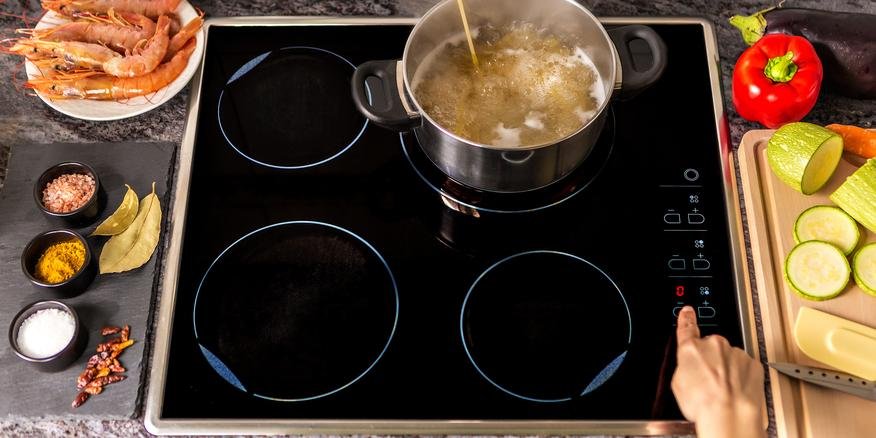
Because induction targets the pan directly rather than heating the surrounding glass and air, it minimizes thermal loss.
- Induction Efficiency: Converts up to 85% to 90% of its electrical energy directly into cooking heat. This direct transfer allows induction to boil water 20% to 40% faster than standard electric elements, often bringing a large pot to a boil in under 3 to 4 minutes.
- Radiant Electric Efficiency: Operates at approximately 70% to 75% thermal efficiency. Energy is lost while heating the glass surface and the ambient air between the burner and pan base.
2. Temperature Responsiveness & Precision
Precision heat management dictates how easily you can simmer delicate sauces, sear meats, or maintain low temperatures without burning food.
                      TEMPERATURE RESPONSE TIME

  INDUCTION       ───► Instantaneous adjustment (similar to gas)
  ELECTRIC        ───► Gradual heat transition; high thermal latency
- Induction Control: Temperature changes occur instantly. Lowering the power level immediately reduces the magnetic field, instantly stopping a boil-over.
- Electric Control: Radiant glass cooktops retain residual heat for a long time. Changing temperature settings requires waiting for the glass surface itself to cool down or heat up.
3. Cookware Compatibility
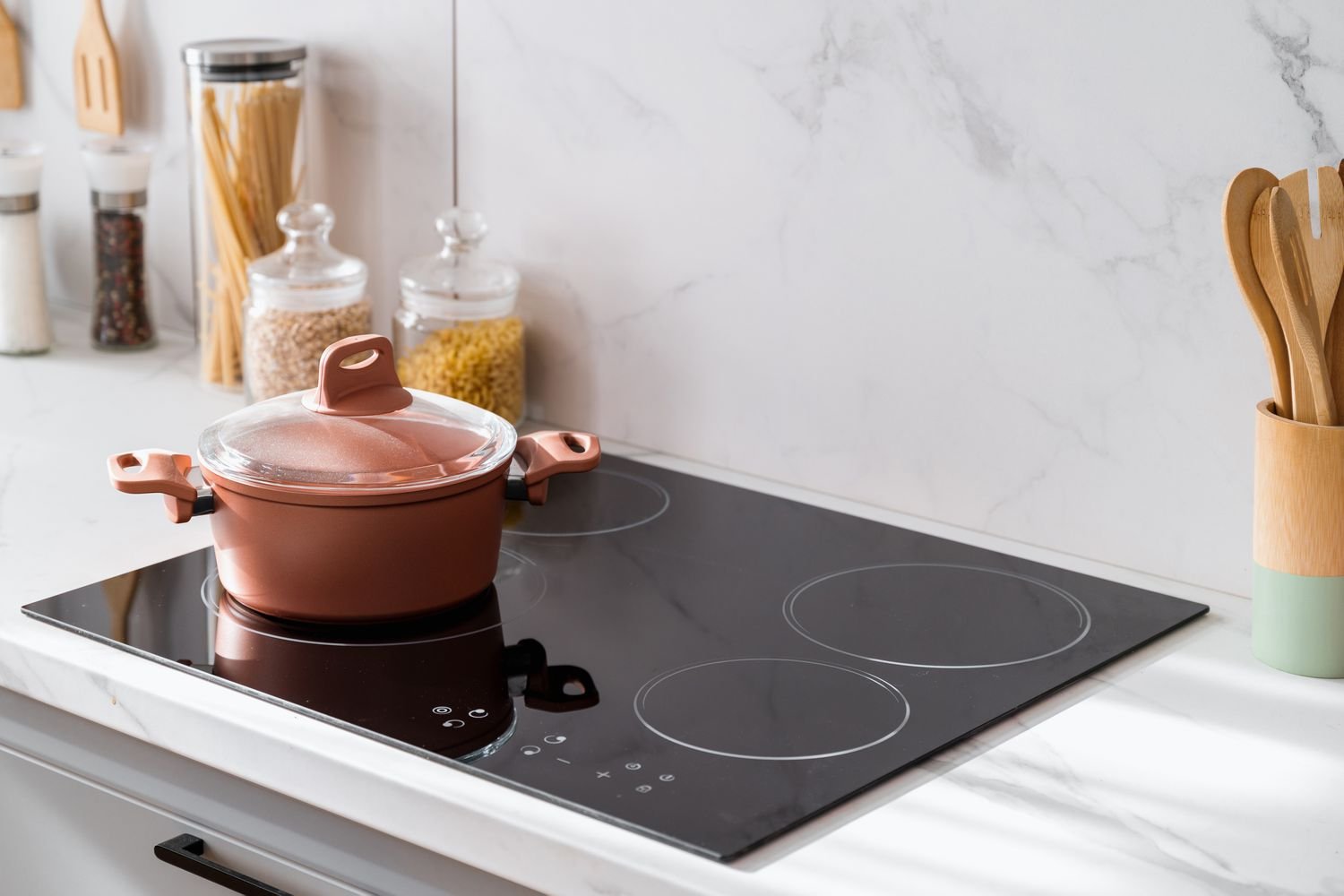
Pan compatibility is often the deciding factor for homeowners upgrading their kitchen appliances.
| Feature | Radiant Electric Cooktop | Induction Cooktop |
| Compatible Metals | Aluminum, Copper, Stainless Steel, Glass, Ceramic, Cast Iron | Ferrous magnetic metals ONLY: Cast Iron, Enameling, Magnetic Stainless Steel |
| Incompatible Metals | None (Any flat-bottomed pan works) | Pure Aluminum, Pure Copper, Glass, Ceramic (unless equipped with a magnetic base layer) |
| The Magnet Test | Not required | If a magnet sticks firmly to the bottom of your pan, it will work on induction. |
4. Kitchen Safety & Easy Maintenance
Both cooktops feature smooth, flat glass surfaces that simplify cleaning compared to traditional gas burners. However, their safety profiles differ significantly:
The Cool-Touch Advantage: Because induction cooktops do not generate surface heat directly, the glass surrounding your cookware remains relatively cool to the touch. Spill-overs will not burn or bake onto the glass surface, allowing you to wipe up splatters immediately with a damp cloth.
- Child & Pet Safety: Induction units feature auto-pan detection. If a burner is turned on without a magnetic pan present, no heat is produced.
- Residual Heat Danger: Electric glass cooktops stay extremely hot long after cooking is finished, requiring built-in “Hot Surface” indicator lights to prevent accidental contact burns.
Final Decision Checklist
- [ ] Cookware Audit: Are you willing to replace non-magnetic aluminum or copper pans if choosing induction?
- [ ] Electrical Hookup: Have you confirmed your kitchen counter cutout and 240V circuit breaker capacity match your selected unit?
- [ ] Speed vs. Simplicity: Do you prefer instant temperature control and rapid boiling, or simple compatibility with all cookware?
Conclusion
Both induction and radiant electric cooktops provide clean, modern glass aesthetics that eliminate indoor combustion emissions. If you value rapid heating, instant temperature adjustments, and a cooktop surface that stays safe and cool to the touch, induction technology offers superior performance. If you want to use existing non-magnetic cookware without investing in new sets, a traditional radiant electric cooktop remains a practical choice.