

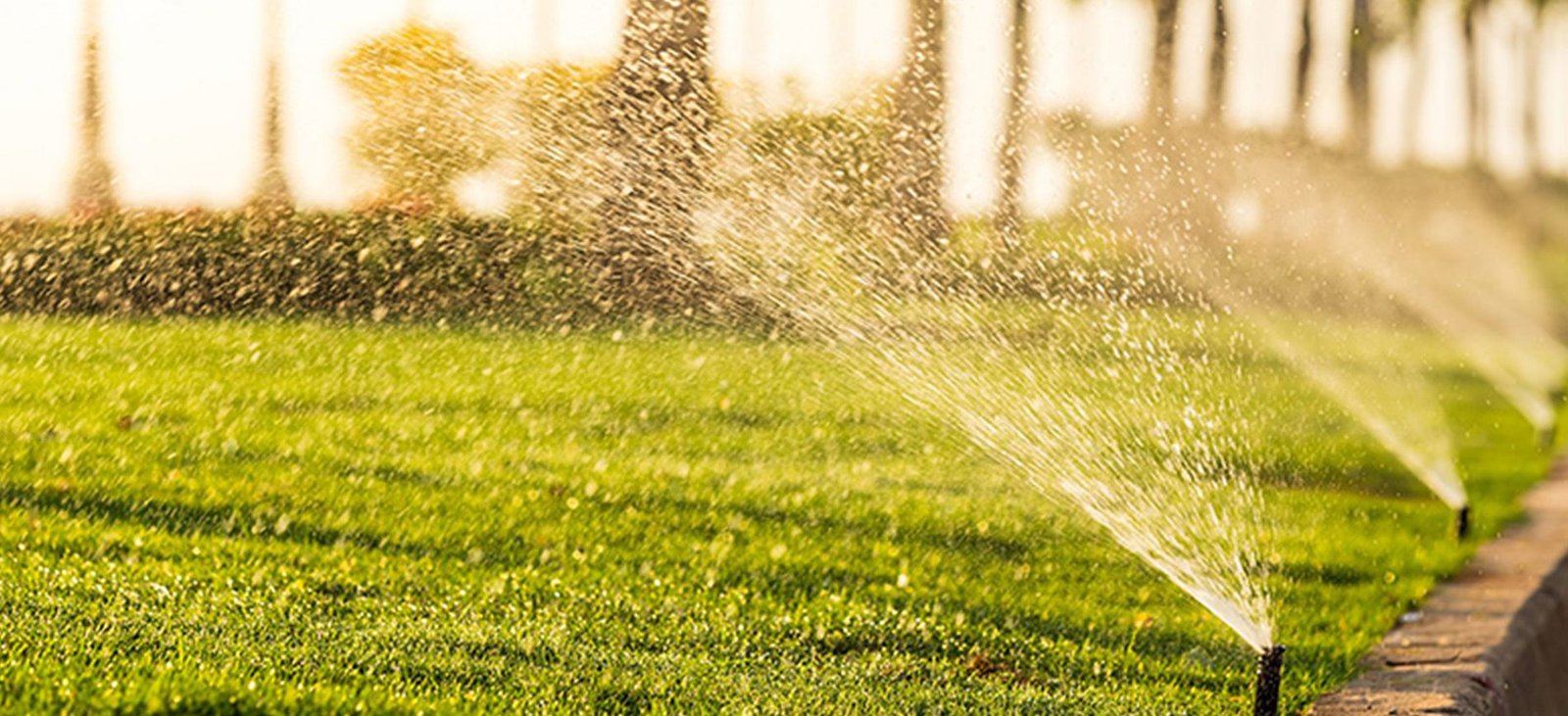
Up to 50 percent of the water used for residential outdoor irrigation goes to waste due to inefficient watering methods and standard clock timers. Traditional sprinkler timers run on rigid schedules regardless of whether it rained an hour ago, leading to soggy lawns, fungal disease, high utility bills, and millions of gallons of wasted water.
A smart irrigation controller replaces a standard clock timer with intelligent, data-driven automation. By using local weather forecasts, real-time environmental metrics, and plant-specific needs, these controllers make sure your yard gets water only when it actually needs it.
Here is a guide to how smart controllers work, how much water they can save, and how to choose the right technology for your property.
How Smart Irrigation Controllers Work
Conventional timers act on a simple clock: turn on at 6:00 AM on Monday, Wednesday, and Friday for 20 minutes per zone. They cannot tell if a downpour just occurred or if humidity is high enough to delay watering.
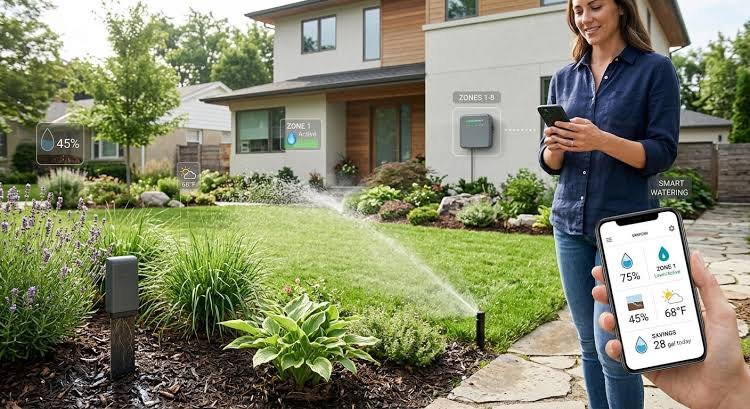
Smart controllers act like a thermostat for your lawn. They continuously pull data from environmental sensors or local meteorological stations to adjust watering duration and frequency automatically.
┌─────────────────────────────────────────────────────────────┐
│               SMART CONTROLLER DATA INPUTS                  │
└──────────────────────────────┬──────────────────────────────┘
                               │
       ┌───────────────────────┴───────────────────────┐
       ▼                                               ▼
┌───────────────────────────┐             ┌───────────────────────────┐
│  WEATHER-BASED (ET)       │             │   SOIL MOISTURE-BASED     │
├───────────────────────────┤             ├───────────────────────────┤
│ • Local rain forecasts    │             │ • In-ground root sensors  │
│ • Temperature & wind      │             │ • Real-time volumetric    │
│ • Evapotranspiration rate │             │   water content           │
│ • Humidity & UV index     │             │ • Bypasses schedule if    │
│   adjustments             │             │   soil is already wet     │
└───────────────────────────┘             └───────────────────────────┘
1. Weather-Based Controllers (ET Controllers)
Weather-based controllers use Evapotranspiration (ET) data. ET measures the amount of water evaporating from the soil plus the water transpiring through plant leaves.
- The controller connects to Wi-Fi to pull hyper-local weather metrics (temperature, humidity, wind speed, solar radiation, and rainfall forecasts).
- If a summer thunderstorm is forecasted, the system automatically delays the watering cycle. If a heatwave hits, it incrementally increases watering to prevent turf stress.
2. Soil Moisture-Based Controllers
Instead of relying on atmospheric forecasts, soil moisture-based controllers use probes buried directly in the root zone.
- These sensors measure the actual volumetric water content of the dirt.
- When a scheduled watering time arrives, the controller checks the soil probe first. If the root zone retains sufficient moisture, the watering cycle is bypassed entirely.
Do They Actually Reduce Water Waste?
The short answer is yes—when properly installed and configured.
According to estimates from the U.S. Environmental Protection Agency (EPA), replacing a standard clock timer with an EPA WaterSense-certified smart controller can save an average home up to 15,000 gallons of water annually.
| Irrigation Controller Type | Average Water Savings | Best Used For |
| Traditional Clock Timer | 0% (Baseline) | Basic systems; high risk of overwatering during rain/cool spells. |
| Weather-Based (Wi-Fi) | 20% to 40% reduction | Most residential suburban homes with reliable home Wi-Fi signals. |
| Soil Moisture Sensor | 30% to 50% reduction | Lawns with varying soil profiles, shade zones, or sloped areas. |
Key Reasons Water Waste Is Reduced
- Rain & Freezing Delays: Prevents sprinklers from running in the middle of a rainstorm or during freezing temperatures that damage turf and create ice hazards.
- Cycle-and-Soak Technology: Rather than running a zone continuously for 30 minutes—which causes excess water to run off onto sidewalks and driveways—smart systems split watering into multiple short cycles. This allows water to penetrate deep into heavy clay soils without pooling.
- Zone Customization: You can customize settings for individual yard zones based on sun exposure (full sun vs. shade), plant types (turfgrass vs. xeriscape/succulents), soil structure (clay vs. sand), and slope.
Essential Features to Look For
When shopping for a smart sprinkler system, look for these key capabilities:
- EPA WaterSense Certification: Always look for the WaterSense label on the packaging. This guarantees that the controller has been independently tested to adjust schedules based on weather or soil conditions without under- or overwatering.
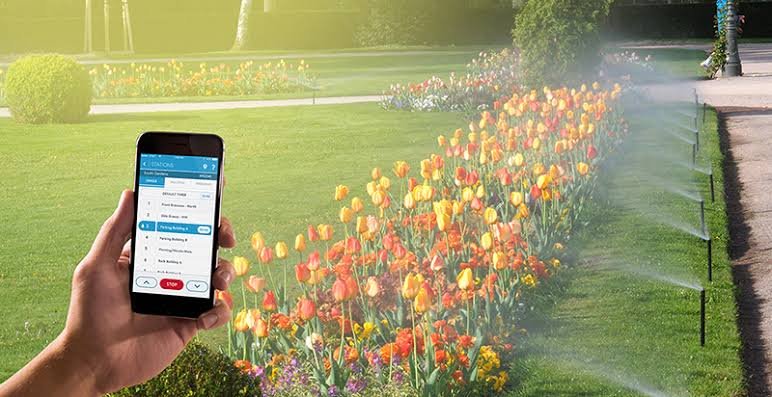
- Smartphone App Control: Allows you to adjust schedules, run manual zone tests from your phone, and receive alerts about system faults or broken pipes from anywhere.
- Flow Meter Compatibility: Some advanced smart controllers connect to inline flow meters. If a pipe bursts or a sprinkler head breaks, the system detects the abnormal high flow rate and automatically shuts off the affected zone to prevent flooding.
- Local Municipal Water Restriction Settings: Allows you to input strict municipal watering schedules (e.g., Odd/Even days or specific time windows) so the smart controller optimizes watering strictly within local legal hours.
Buyer Checklist: Is Your Yard Ready for a Smart Controller?
Before upgrading your existing irrigation clock, verify the following prerequisites:
- [ ] Wi-Fi Signal: If choosing a weather-based unit, does your home Wi-Fi reach your garage or outdoor controller box?
- [ ] Zone Count: Does the controller support the number of valve zones currently wired into your property (e.g., 4-zone, 8-zone, or 12-zone)?
- [ ] Master Valve / Pump Relay: If your property relies on a well pump or a master shutoff valve, does the smart controller include a dedicated “P/MV” terminal?
- [ ] Subsidies and Utility Rebates: Many local municipal water districts offer 100% rebates or direct financial incentives when you replace a standard timer with a WaterSense-certified model. Check your local water provider’s website before buying.
Conclusion
Smart irrigation controllers are one of the simplest, most impactful smart home upgrades for outdoor sustainability. By shifting from rigid mechanical clock timers to dynamic, weather- and soil-based scheduling, you can significantly reduce outdoor water waste, lower your monthly utility costs, and promote deeper, healthier root growth for your lawn and landscape.