

Many older adults want to remain in their own homes for as long as possible. This approach, commonly called aging in place, involves preparing the home so that it remains safe, comfortable and easy to navigate as a person’s mobility, vision or daily needs change.
A successful aging-in-place home design does not always require a complete renovation. Homeowners can begin with simple safety improvements and gradually move toward larger accessibility upgrades. The National Institute on Aging recommends reviewing the home room by room, correcting immediate dangers first and reassessing safety as personal needs change.
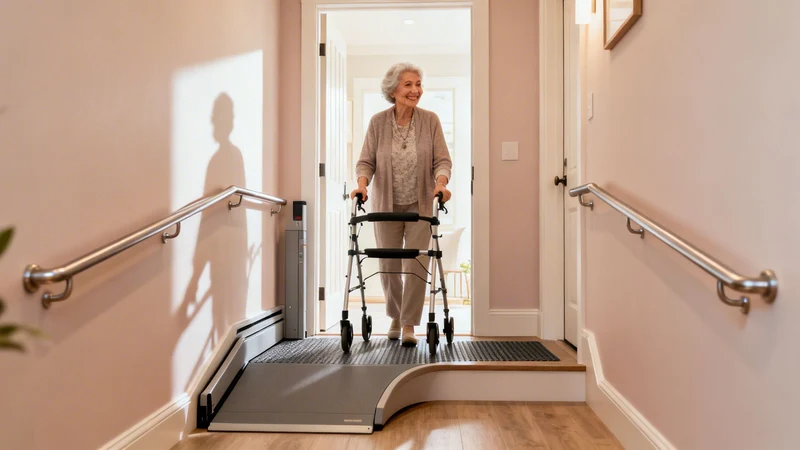
1. Remove Tripping Hazards First
One of the first priorities should be creating clear and stable walking paths throughout the home.
Look for:
- Loose rugs
- Electrical cords across walkways
- Clutter on floors or stairs
- Uneven flooring
- Furniture blocking narrow paths
- Loose carpet edges
- Slippery surfaces
Small throw rugs can move unexpectedly, especially when someone uses a cane or walker. Remove unnecessary rugs or secure them properly with suitable nonslip backing.
Furniture should be arranged so that there is enough space to move comfortably between rooms. Frequently used areas should not require stepping around tables, decorative objects or storage boxes.
The CDC recommends removing objects that could cause trips, securing small rugs and keeping commonly used items within easy reach.
2. Improve Lighting Throughout the Home
Better lighting is one of the simplest senior home safety improvements.
Dark hallways, staircases and entrances can make changes in floor level difficult to see. Add brighter and evenly distributed lighting in areas such as:
- Stairways
- Hallways
- Bathrooms
- Kitchens
- Closets
- Garages
- Outdoor entrances
- Routes between the bedroom and bathroom
Install light switches near room entrances and at both ends of long hallways when possible. Night-lights can help illuminate bedrooms, bathrooms and passageways during the night.
Motion-activated or voice-controlled lights may also help people who find it difficult to reach switches. However, smart technology should support normal switches rather than making essential lighting dependent entirely on an app or internet connection.
The CDC recommends brighter lighting and lights on staircases, while AARP identifies accessible switches, night-lights and voice-activated lighting as useful aging-in-place features.
3. Make the Bathroom Safer
The bathroom is often one of the first areas to address because water, smooth surfaces and frequent changes between sitting and standing can create safety concerns.
Useful accessible bathroom modifications include:
- Properly installed grab bars
- A walk-in or low-threshold shower
- Nonslip shower flooring
- A stable shower chair or bench
- A handheld showerhead
- An easy-to-reach toilet-paper holder
- Lever-style faucets
- Improved lighting
- A toilet that is comfortable to sit on and stand from

Grab bars should be securely attached to suitable wall supports. A towel rail is not designed to support a person’s weight and should not be used as a substitute.
Place grab bars near the toilet and both inside and outside the bathing area where appropriate. The correct position depends on the user’s height, strength and movement pattern.
The CDC specifically recommends grab bars around tubs, showers and toilets. AARP also identifies low-entry showers, seating, handheld showerheads and slip-resistant surfaces as common bathroom improvements for aging in place.
For someone with existing mobility limitations, an occupational therapist may help assess how the bathroom should be arranged for their individual needs.
4. Check Stairs and Handrails
Stairways should be stable, well-lit and free from stored objects.
Consider the following improvements:
- Install secure handrails on both sides.
- Repair loose steps or floor coverings.
- Add clear visual contrast at step edges.
- Place light switches at the top and bottom.
- Avoid patterned carpeting that makes step edges difficult to see.
- Keep the landing and stairs clear.
- Add nonslip surfaces where appropriate.
The CDC recommends railings on both sides of staircases and adequate lighting throughout the stair area.
When stairs become difficult to use, homeowners may consider relocating essential living areas to one floor. A first-floor bedroom and full bathroom can reduce the need for repeated stair use.
A stairlift may be appropriate in certain homes, but the staircase, equipment and user’s abilities should be professionally assessed before installation.
5. Improve the Main Entrance
An accessible home entrance should be easy to approach, unlock and enter.
Review:
- Steps leading to the door
- Handrail stability
- Porch lighting
- Door width
- Threshold height
- Pathway condition
- Weather protection
- Door-handle design
Lever-style door handles can be easier to operate than round knobs for people with arthritis or reduced hand strength.
Where steps create difficulty, a properly designed ramp or gently sloped entrance may improve access. The design should include a stable surface, safe slope, adequate width and suitable edge protection. Local building requirements may apply.
A covered entrance can also provide protection while someone unlocks the door or waits for transportation.
6. Create a Safer Kitchen Layout
An aging-in-place kitchen should reduce unnecessary bending, stretching and climbing.
Start by moving frequently used items to shelves that can be reached without a step stool. Heavy cookware should be stored between approximately knee and shoulder height rather than in very high cabinets.
Other useful senior-friendly kitchen ideas include:
- Pull-out cabinet shelves
- Easy-grip handles
- Lever-style faucets
- Clear task lighting
- Accessible electrical outlets
- Contrasting countertop edges
- Appliances with simple controls
- A stable work area that can be used while seated
- Clearly labelled storage
Keep flooring dry and uncluttered. Electrical cords should not cross walking routes.
AARP recommends making appliances and storage easier to reach, using pull-out cabinet components and considering cooking appliances with visible safety alerts.
7. Review the Bedroom
The bedroom should provide a clear route to the doorway, bathroom and light controls.
The bed should be at a comfortable height for sitting and standing. It should not be so high that the person’s feet cannot rest securely on the floor or so low that standing becomes difficult.
Consider:
- A light switch reachable from the bed
- A telephone or emergency-alert device nearby
- A stable bedside table
- Night lighting
- Clear floor space
- Secure flooring
- Accessible clothing storage
- A chair with supportive arms
Where stairs present a major challenge, converting a suitable first-floor room into a bedroom may be worth considering. AARP includes first-floor sleeping arrangements and easier bed access among practical aging-in-place changes.
8. Replace Difficult Handles and Controls
Small changes to hardware can make daily tasks easier.
Consider replacing:
- Round door knobs with lever handles
- Small cabinet knobs with larger pulls
- Twist-style faucets with lever controls
- Difficult light switches with rocker-style switches
- Hard-to-read thermostats with simple, high-contrast models
These changes may help users with reduced grip strength, joint stiffness or limited hand movement.
Controls should be easy to see, understand and operate. Avoid overly complicated smart-home systems that require several apps or difficult setup procedures.
9. Consider Smart Home Technology Carefully
Search interest around smart home technology for seniors continues to reflect a broader interest in supporting independence at home.
Potentially useful devices include:
- Video doorbells
- Automatic lighting
- Smart smoke and carbon-monoxide alarms
- Water-leak sensors
- Stove-monitoring devices
- Voice-controlled assistants
- Door and window alerts
- Emergency-response systems
- Smart thermostats
Technology should solve a real problem rather than add complexity. Devices should have clear controls, strong privacy settings and a backup plan for power or internet outages.
Family members should not install cameras or monitoring equipment without discussing privacy and consent with the person living in the home.
10. Plan for Wider Mobility Needs
Not every homeowner needs wheelchair-accessible modifications immediately. However, planning ahead can make later changes easier.
Future-focused universal design features may include:
- Wider doorways
- Open circulation areas
- Step-free entrances
- Curbless showers
- Lower switches
- Raised electrical outlets
- Adjustable storage
- A main-floor bathroom
- A main-floor bedroom
Universal design aims to create spaces that are usable by people with different ages and abilities. AARP’s HomeFit guidance focuses on making homes safer and more comfortable for older adults as well as other household members.
Before widening doors or changing structural walls, consult a qualified professional and confirm local permit requirements.
What Should Be Modified First?
Homeowners can prioritize projects in this order:
Immediate safety concerns
Begin with loose railings, poor lighting, unstable rugs, cluttered walkways and slippery bathroom surfaces.
Frequently used rooms
Focus next on the bedroom, bathroom, kitchen, main entrance and the routes connecting them.
Access and mobility
Address difficult stairs, high thresholds, narrow paths and hard-to-use doors.
Future improvements
Plan for larger projects such as a first-floor bedroom, accessible shower, wider doorway or step-free entrance.
The National Institute on Aging advises correcting immediate dangers first and then reviewing safety again as circumstances change.
Arrange a Professional Home Assessment
A general contractor can assess construction work, but an occupational therapist can evaluate how an individual completes everyday activities within the home.
A professional assessment may be especially helpful when someone:
- Has already experienced a fall
- Uses a walker or wheelchair
- Has difficulty standing or reaching
- Is returning home after surgery
- Has reduced vision
- Has a progressive health condition
- Needs help with bathing or cooking
Recommendations should be based on the person’s actual abilities rather than age alone.
Final Thoughts
The best aging-in-place home modifications are those that solve immediate problems while preparing the home for future needs.
Start with clear walking paths, stronger lighting, secure handrails and bathroom safety. After addressing these essentials, consider larger changes such as a low-threshold shower, step-free entrance or first-floor living arrangement.
Aging in place is not a one-time renovation. It is an ongoing process that should be reviewed as mobility, health, routines and household needs change.
This article provides general educational information. Individual accessibility and safety needs vary. Consider consulting an occupational therapist, qualified contractor or healthcare professional before making significant modifications.