

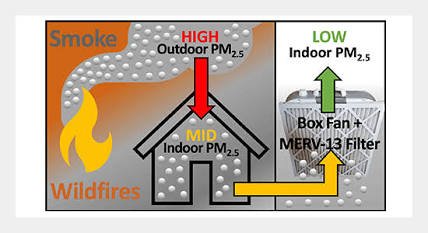
When wildfire smoke settles over a region, indoor air quality can quickly deteriorate—even inside well-built homes. Fine particulate matter, specifically PM2.5 (particles 2.5 microns in diameter or smaller), easily penetrates standard doors and window seams. Breathing these micro-particles poses health risks, especially for children, older adults, and individuals with respiratory conditions.
If evacuation is not mandated by local public health or emergency officials, creating a dedicated cleaner-air room (or “clean room”) inside your home is one of the most effective ways to lower particulate exposure and protect your lungs.
Here is a step-by-step guide to setting up, maintaining, and managing a clean-air sanctuary during smoke events.
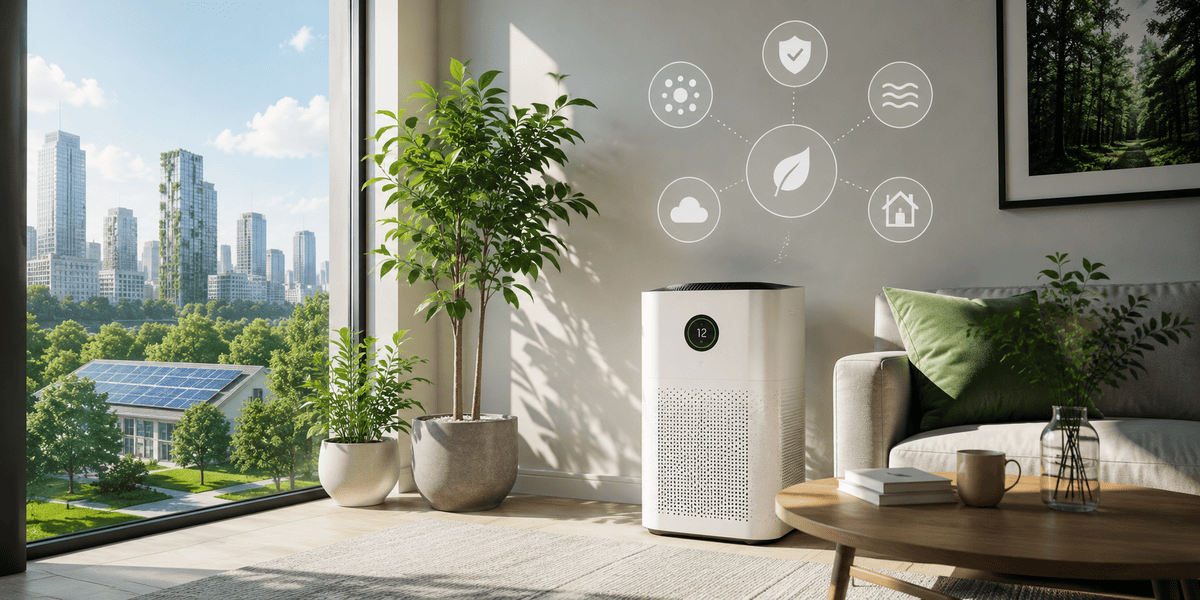
1. Choose the Right Room
Not all rooms in your home offer the same protection against outdoor air pollution. When selecting a space, prioritize the following criteria:
- Minimal Windows and Exterior Doors: Choose an interior room or a bedroom with as few exterior openings as possible.
- Adequate Space for Everyone: Ensure the room comfortably accommodates all household members and pets for extended hours. A main bedroom with an attached bathroom is often ideal because it provides privacy and direct water access without requiring frequent door openings.
- Avoid High-Emission Zones: Do not choose the kitchen or a room attached to a garage. Cooking appliances (especially gas stoves or frying stations) introduce additional indoor pollutants.
2. Seal Windows, Doors, and Vents
To prevent smoke leakage into your dedicated space, seal all entry points where outside air can infiltrate:
┌─────────────────────────────────────────────────────────────┐
│                    SEALING THE CLEAN ROOM                   │
└──────────────────────────────┬──────────────────────────────┘
                               │
       ┌───────────────────────┴───────────────────────┐
       ▼                                               ▼
┌───────────────────────────┐             ┌───────────────────────────┐
│       EXTERNAL SEALS      │             │       INTERNAL VENTS      │
├───────────────────────────┤             ├───────────────────────────┤
│ • Close windows tightly   │             │ • Close fresh-air intakes │
│ • Seal gaps with tape     │             │ • Seal kitchen/bath vents │
│ • Block drafts at base    │             │ • Set HVAC to Recirculate │
│   with damp towels        │             │   with MERV 13+ filter    │
└───────────────────────────┘             └───────────────────────────┘
- Lock Windows: Closing and locking windows creates a tighter pressure seal against frame weatherstripping.
- Block Door Drafts: Place a damp towel or draft stopper along the bottom threshold of the room’s primary door.
- Control Air Intake: If your home uses central heating and cooling (HVAC), set the system to recirculate mode so it does not draw in smoky outdoor air. Upgrade your central furnace filter to a MERV 13 or higher rating if your system allows.
- Close Dampers: Ensure fireplace dampers, exhaust vents, and window AC fresh-air vents are fully shut.
3. Set Up Air Filtration
An enclosed room still needs active filtration to remove lingering airborne soot, ash, and PM2.5.
Option A: Portable HEPA Air Purifier
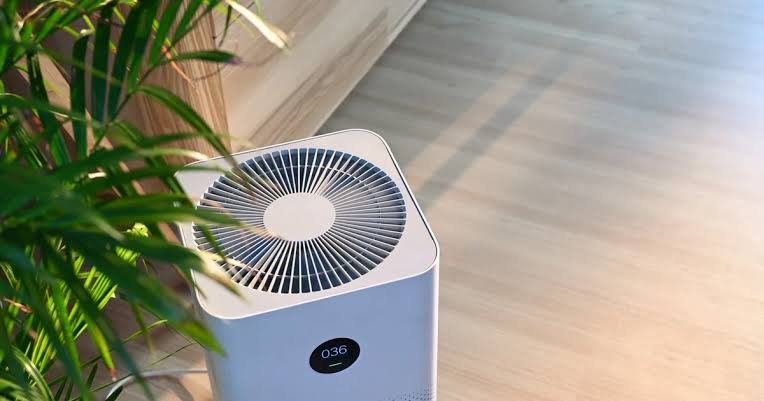
A standalone portable air cleaner with a High-Efficiency Particulate Air (HEPA filter) is the most efficient solution.
- Sizing (CADR): Check the unit’s Clean Air Delivery Rate (CADR) for smoke. Ensure the purifier’s coverage capacity matches or exceeds the square footage of your clean room.
- Continuous Operation: Run the air purifier continuously on its highest comfortable fan speed.
- Zero Ozone: Choose an air cleaner certified as ozone-free (mechanical HEPA filtration).
Option B: DIY Box Fan Filter (Corsi-Rosenthal Box)
If commercial air purifiers are unavailable or sold out, you can assemble a DIY air cleaner using a standard 20-inch box fan and high-efficiency furnace filters:
- Materials: One 20-inch box fan, one to four MERV 13 (or higher) furnace filters, and duct tape.
- Assembly: Attach the MERV 13 filter directly to the back (intake side) of the box fan using duct tape, ensuring the filter’s airflow arrow points toward the fan. For better airflow, tape four MERV 13 filters together into a cube with cardboard at the bottom and the fan on top (a Corsi-Rosenthal box).
- Safety Note: Use newer box fans (built after 2012) equipped with fused plugs to prevent motor overheating.
4. Eliminate Indoor Particle Sources
Filtration alone is not enough if internal activities generate new fine particles. While occupying the clean room, strictly avoid:
| Avoid Activity | Why It Harms Air Quality |
| Smoking or Vaping | Releases concentrated fine particulate matter into enclosed air. |
| Burning Candles / Incense | Emits combustion soot and volatile organic compounds (VOCs). |
| Vacuuming | Stirs up settled fine ash and dust unless using a sealed HEPA vacuum. |
| Frying or Searing Food | Generates microscopic grease aerosols and smoke particles. |
| Aerosol Sprays | Introduces chemical air pollutants and propellants into closed spaces. |
Proactive Cleaning Tip: Keep surfaces clean by wiping them down with a damp microfiber cloth or damp mop rather than dry dusting or sweeping, which recirculates settled ash back into the breathing zone.
5. Manage Room Temperature and Ventilation
Sealing a room during warm summer wildfire seasons can cause indoor temperatures to rise. Managing heat safely is critical to prevent heat-related illness:
- Air Conditioning Setup: Run window AC units or mini-split heat pumps in recirculation mode. Ensure window seals around the unit are taped tight. Avoid single-hose portable AC units if possible, as they draw outside air—and smoke—inward through window gaps.
- Shade and Reflectors: Close blinds, curtains, or window shades during daylight hours to block direct solar heat gain.
- When Air Improves: Monitor local Air Quality Index (AQI) forecasts via official tools like AirNow.gov. If smoke levels temporarily drop, briefly open windows to flush out stale indoor carbon dioxide before resealing the room when smoke returns.
Cleaner-Air Room Checklist
- [ ] Room Selection: Interior space or bedroom with minimal windows and no gas appliances selected.
- [ ] Sealing: Windows closed/locked; draft towel placed under primary entry door.
- [ ] HVAC Adjustments: System set to recirculate; MERV 13 filter installed.
- [ ] Active Filtration: Correctly sized HEPA air purifier or DIY MERV 13 box fan running continuously.
- [ ] Source Control: No candles, incense, smoking, or vacuuming inside the home.
Conclusion
Creating a clean-air room is an accessible, effective defense against the harmful effects of wildfire smoke. By choosing an appropriate interior space, sealing entry points, running HEPA filtration continuously, and preventing indoor pollution sources, you can maintain a safe environment for your family during major smoke events. Always monitor local emergency guidance and air quality alerts, and be prepared to evacuate if instructed by local public safety officials.